What is Bariatric Conversion?
Bariatric conversion surgery in Merida consists of transforming an existing bariatric procedure into a different one, to improve weight loss results, treat complications from the original surgery, or adapt the procedure to the patient's current metabolic needs. It is one of the most demanding fields of bariatric surgery, as it requires working on previously modified anatomy with adhesions and scar tissue that increase technical complexity. The most frequent conversions include: gastric sleeve to Roux-en-Y gastric bypass (especially for severe gastroesophageal reflux), gastric sleeve to SADI-S or intestinal transit bipartition (for weight regain), intragastric balloon to gastric sleeve, and adjustable gastric band to a definitive procedure. The bariatric conversion specialist in Yucatan operates in Merida with internationally recognized safety protocols.
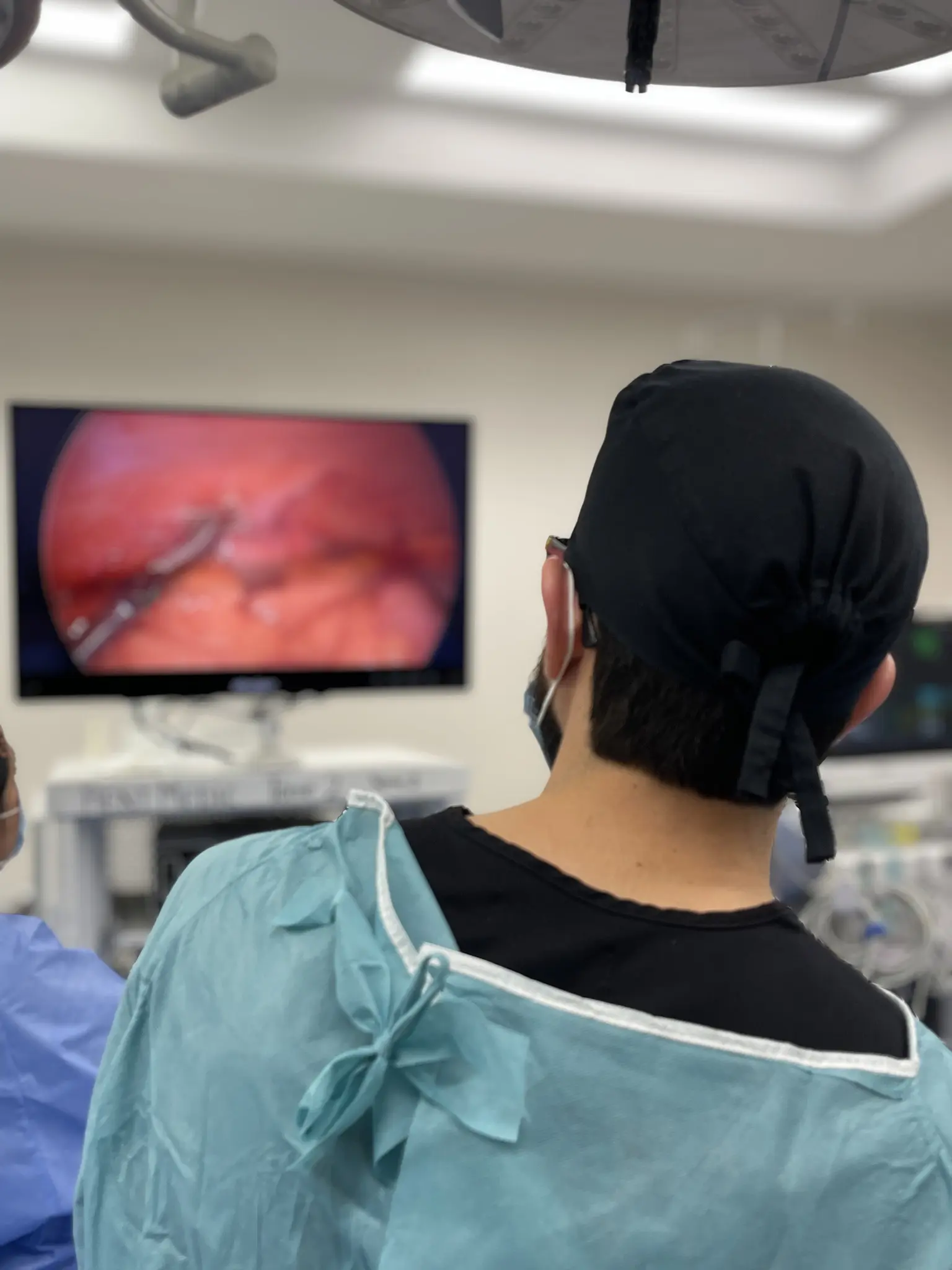
Dr. Mario Ruvalcaba performs bariatric conversions in Merida laparoscopically in the vast majority of cases. Each conversion requires individualized surgical planning based on the anatomy created by the prior procedure, the patient's clinical history, and specific therapeutic objectives. Planning includes upper digestive endoscopy, upper GI series, and complete metabolic studies. Surgery duration varies from 2 to 4 hours under general anesthesia, with 2 to 3 nights of hospital stay. Sleeve-to-bypass conversion is the most frequent and resolves severe gastroesophageal reflux in more than 90% of cases.
Certified by the Mexican Council of General Surgery, active IFSO member, and with more than 5 years of experience in complex bariatric surgery in Merida, Dr. Ruvalcaba is the bariatric conversion specialist in Yucatan serving the entire southeastern Mexico region. His multidisciplinary team ensures comprehensive evaluation and the necessary support before and after the procedure.
Post-conversion results are generally excellent: reflux resolution, resumption of weight loss, and improvement in metabolic control. Recovery is similar to primary bariatric surgery, with return to sedentary work in 10 to 14 days. If your prior bariatric procedure did not meet your expectations or caused complications, a solution exists. Schedule your consultation today.
Benefits
Greater Effectiveness
Allows achieving metabolic and weight loss results that the original procedure could not achieve, adapting the surgery to current needs.
Resolution of Complications
Conversion to bypass definitively resolves severe gastroesophageal reflux disease secondary to gastric sleeve, one of the most frequent indications.
Laparoscopic Approach
Most conversions are performed minimally invasively, leveraging prior anatomy to optimize procedural safety.
Tailored Plan
The conversion procedure is selected based on the surgical history, comorbidities, and specific objectives of each patient.
Who Is a Candidate?
- ✓Patients with gastric sleeve who developed severe gastroesophageal reflux disease (GERD) that does not respond to treatment with proton pump inhibitors.
- ✓Individuals with gastric sleeve and significant weight regain who wish to increase the metabolic component through conversion to gastric bypass or SADI-S.
- ✓Patients with adjustable gastric band with complications (slippage, erosion, intolerance) requiring removal and conversion to a definitive procedure.
- ✓Patients with insufficient weight loss after any bariatric procedure who, after multidisciplinary evaluation, are candidates for a more potent procedure.
- ✓Adults with favorable anatomy documented by endoscopic and radiological studies, without contraindications for a more complex major abdominal surgery.
Recovery Process
First week
Hospital stay of 2 to 3 nights depending on the type of conversion performed. Strict liquid diet. The team closely monitors the new anastomosis and oral tolerance. Early mobilization from the first postoperative hours.
2–4 weeks
Dietary progression according to the new procedure: if converted to bypass, follow the bypass protocol; if to SADI-S, follow that protocol. Vitamin supplementation adjusted according to the new anatomy.
1–3 months
Adaptation to the new anatomy. Patients converted to bypass for GERD typically notice resolution or significant improvement of reflux within the first weeks. Close nutritional and medical follow-up.
6–12 months
Comprehensive evaluation of results: weight loss, comorbidity resolution, dietary tolerance, and nutritional levels. Control endoscopy when indicated. Regular follow-up to consolidate long-term results.
Frequently Asked Questions about Bariatric Conversion
Does sleeve-to-bypass conversion always resolve reflux?
In the vast majority of cases, yes. Roux-en-Y gastric bypass creates a small gastric pouch virtually free of acid production and diverts intestinal content away from the esophagus, eliminating the substrate for pathological reflux. Studies report reflux resolution in more than 90% of patients converted for this indication.
Is laparoscopic conversion possible if I already had prior surgery?
In most cases yes, although it depends on the adhesions formed and the patient's specific anatomy. Dr. Ruvalcaba evaluates the viability of the laparoscopic approach in each case. In selected cases with extensive adhesions, conversion to open surgery may be required to ensure safety.
How long after my sleeve can I convert to bypass?
It is generally recommended to wait at least 12 to 18 months from gastric sleeve surgery so that tissues are completely healed. However, in cases of severe reflux with grade C or D esophagitis, Barrett's esophagus, or symptoms that significantly compromise quality of life, conversion may be indicated sooner.
Will I need different supplements after conversion?
Yes, supplementation requirements change depending on the new procedure. If converted to gastric bypass, lifelong supplementation will be required with a multivitamin with iron, calcium with vitamin D, vitamin B12, and protein. If the conversion is to SADI-S, fat-soluble vitamins are added. The nutritional team will adjust the supplementation protocol to the new procedure.
How much does bariatric conversion surgery cost in Merida?
The cost depends on the type of conversion, hospital, and complexity of prior anatomy. Dr. Ruvalcaba conducts an initial evaluation to determine the optimal surgical strategy and provide a detailed quote. Some medical insurance plans cover conversions with documented medical indication. Contact the office for information on costs and financing options.
How long does bariatric conversion surgery take?
Bariatric conversions require 2 to 4 hours depending on the conversion type and the complexity of prior anatomy. Sleeve-to-bypass conversion typically takes 2 to 3 hours. Conversions to SADI-S or bipartition may require up to 3.5 hours. All procedures are performed under general anesthesia with 2 to 3 nights of hospital stay.
When can I return to work after bariatric conversion surgery?
For sedentary activities, most patients return between days 10 and 14 postoperatively. For moderate physical work, waiting 4 to 6 weeks is recommended. Adaptation to the new anatomy and dietary changes may require several months of nutritional follow-up before feeling fully recovered.
This content is for informational purposes only and does not replace a medical consultation.