What is SADI-S?
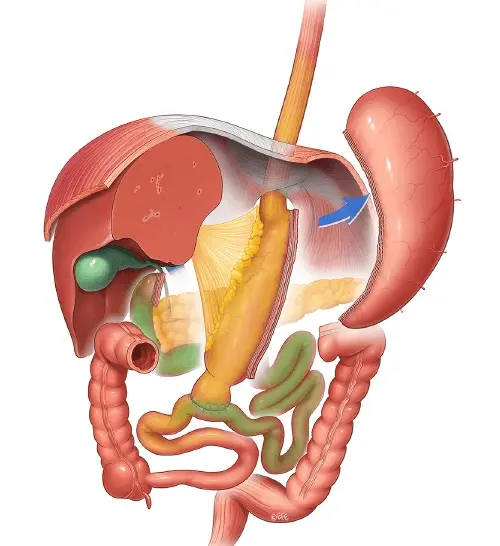
SADI-S (Single Anastomosis Duodeno-Ileal with Sleeve) is the most powerful bariatric procedure available, indicated for patients with severe obesity (BMI ≥ 50) or when maximum metabolic impact is required. It combines vertical sleeve gastrectomy with a single duodeno-ileal anastomosis, generating controlled malabsorption of fats and carbohydrates and intensely stimulating intestinal hormone production that regulates appetite and metabolism. The IFSO has recognized SADI-S as a standard bariatric procedure since 2018. Unlike the classic duodenal switch that requires two anastomoses, SADI-S simplifies the technique with a single intestinal connection, reducing operative time and associated risks. The bariatric surgery specialist in Merida offers SADI-S with the experience and technology this complex procedure demands.
Dr. Mario Ruvalcaba performs SADI-S in Merida using laparoscopic minimally invasive technique. The procedure involves dividing the duodenum just past the pylorus and connecting it directly to the distal ileum, approximately 250 to 300 cm from the ileocecal valve, creating a short alimentary channel that limits calorie and fat absorption. Surgery lasts 2.5 to 3.5 hours under general anesthesia with 2 to 3 nights of hospital stay for close monitoring. The laparoscopic approach significantly reduces postoperative pain and enables faster functional recovery compared to open surgery.
Board-certified bariatric surgeon in Merida, Yucatan, Dr. Ruvalcaba holds certification from the Mexican Council of General Surgery, is an active IFSO member, and has more than 5 years of experience in complex bariatric procedures. He operates exclusively at top-tier hospitals in Merida with advanced laparoscopic infrastructure. Every patient receives multidisciplinary evaluation and follow-up — nutritionist, psychologist, internist — throughout the entire process, which is a determining factor for long-term success.
Reported excess weight loss rates with SADI-S exceed 80% at 2 years, with type 2 diabetes remission in more than 90% of cases. Most patients return to sedentary work activities between days 10 and 14, and to full physical activity within 4 to 6 weeks. Lifelong vitamin supplementation is mandatory and essential to maintain optimal nutritional levels. If you have severe obesity and seek the most powerful bariatric result available, SADI-S is your option. Schedule your consultation today.
Benefits
Maximum Weight Loss
Loss of more than 80% of excess weight, being the most potent option for patients with severe obesity (BMI > 50).
Diabetes Remission
Type 2 diabetes remission rates exceeding 90%, making it the procedure with the greatest metabolic impact currently available.
Single Anastomosis
Simplified technique compared to the classic duodenal switch: a single intestinal connection reduces surgical complexity and operative time.
Sustained Results
Long-term results of SADI-S are superior to those of gastric sleeve or bypass, with lower rates of weight regain.
Who Is a Candidate?
- ✓Patients with BMI equal to or greater than 50 kg/m² (severe obesity) who require the greatest available weight loss potency.
- ✓Individuals with BMI ≥ 40 with multiple severe metabolic comorbidities such as uncontrolled type 2 diabetes, refractory hypertension, or severe sleep apnea.
- ✓Patients who experienced weight loss failure or significant regain after a prior gastric sleeve and are candidates for revision surgery.
- ✓Adults with complete multidisciplinary evaluation and absolute commitment to lifelong nutritional supplementation and medical follow-up.
- ✓Patients without history of inflammatory bowel disease, short bowel syndrome, or prior surgeries that compromise the viability of the ileal segment.
Recovery Process
First week
Hospital stay of 2 to 3 nights. Strict liquid diet. Mandatory early mobilization. Close monitoring of wounds, oral tolerance, and vital signs.
2–4 weeks
Progression to full liquids and protein purees. Start of intensive vitamin supplementation (multivitamin, calcium, vitamin D, fat-soluble vitamins A, E and K, vitamin B12). The nutritional team establishes the personalized dietary transition plan.
1–3 months
Intestinal adaptation to the new transit. Possible changes in bowel habits that are regulated with diet. Gradual start of physical activity. Physicians adjust metabolic medications based on clinical and laboratory response.
6–12 months
Loss of more than 60% of excess weight. Resolution of metabolic comorbidities in most patients. Follow-up every 3 months with complete lab panel including fat-soluble vitamins, minerals, and proteins to adjust lifelong supplementation.
Frequently Asked Questions about SADI-S
Is SADI-S the same as duodenal switch?
They are similar procedures but with important differences. The classic duodenal switch requires two intestinal anastomoses, while SADI-S uses a single duodeno-ileal anastomosis. This technically simplifies the procedure, reduces operative time and potential complications, while maintaining similar or superior metabolic results. The IFSO has recognized SADI-S as a validated standard procedure since 2018.
What changes in bowel habits should I expect?
It is common to have more frequent bowel movements (2 to 4 times per day) and softer consistency, especially during the first months. Excessive fat intake may cause malodorous stools or fecal urgency. Over time and with proper dietary adaptation, these symptoms moderate significantly.
Can I have SADI-S if I already have a gastric sleeve?
Yes, this is one of the most frequent indications for SADI-S as revision surgery. When a gastric sleeve patient does not achieve expected weight loss or has significant regain, SADI-S allows adding the malabsorptive component without modifying the already-operated stomach, adding the duodeno-ileal anastomosis onto the existing sleeve.
Is lifelong supplementation truly mandatory?
Yes, it is a non-negotiable requirement. SADI-S generates fat malabsorption, and with it, malabsorption of fat-soluble vitamins A, D, E, and K, as well as calcium, iron, and vitamin B12. Without adequate supplementation and regular monitoring, severe deficiencies can develop. Patients who follow the supplementation protocol maintain excellent nutritional levels long-term.
How much does SADI-S cost in Merida?
The cost varies based on the hospital and required preoperative studies. As a more technically complex bariatric procedure, Dr. Ruvalcaba offers an individualized evaluation to determine the indication and provide a detailed quote. Some major medical insurance plans cover the procedure when there is documented indication of severe obesity or refractory type 2 diabetes.
How long does SADI-S surgery take?
SADI-S takes between 2.5 and 3.5 hours under general anesthesia in a hospital operating room. As a complex bariatric procedure combining sleeve gastrectomy with a duodeno-ileal anastomosis, it requires more operative time than gastric sleeve or bypass. Postoperative hospital stay is 2 to 3 nights.
When can I return to work after SADI-S?
Patients with sedentary work typically return between days 10 and 14 postoperatively. For moderate or intense physical activities, waiting 4 to 6 weeks is recommended. Intestinal adaptation to the new transit may take 2 to 3 months, during which the dietary plan is gradually adjusted.
This content is for informational purposes only and does not replace a medical consultation.