What is Minimally Invasive?
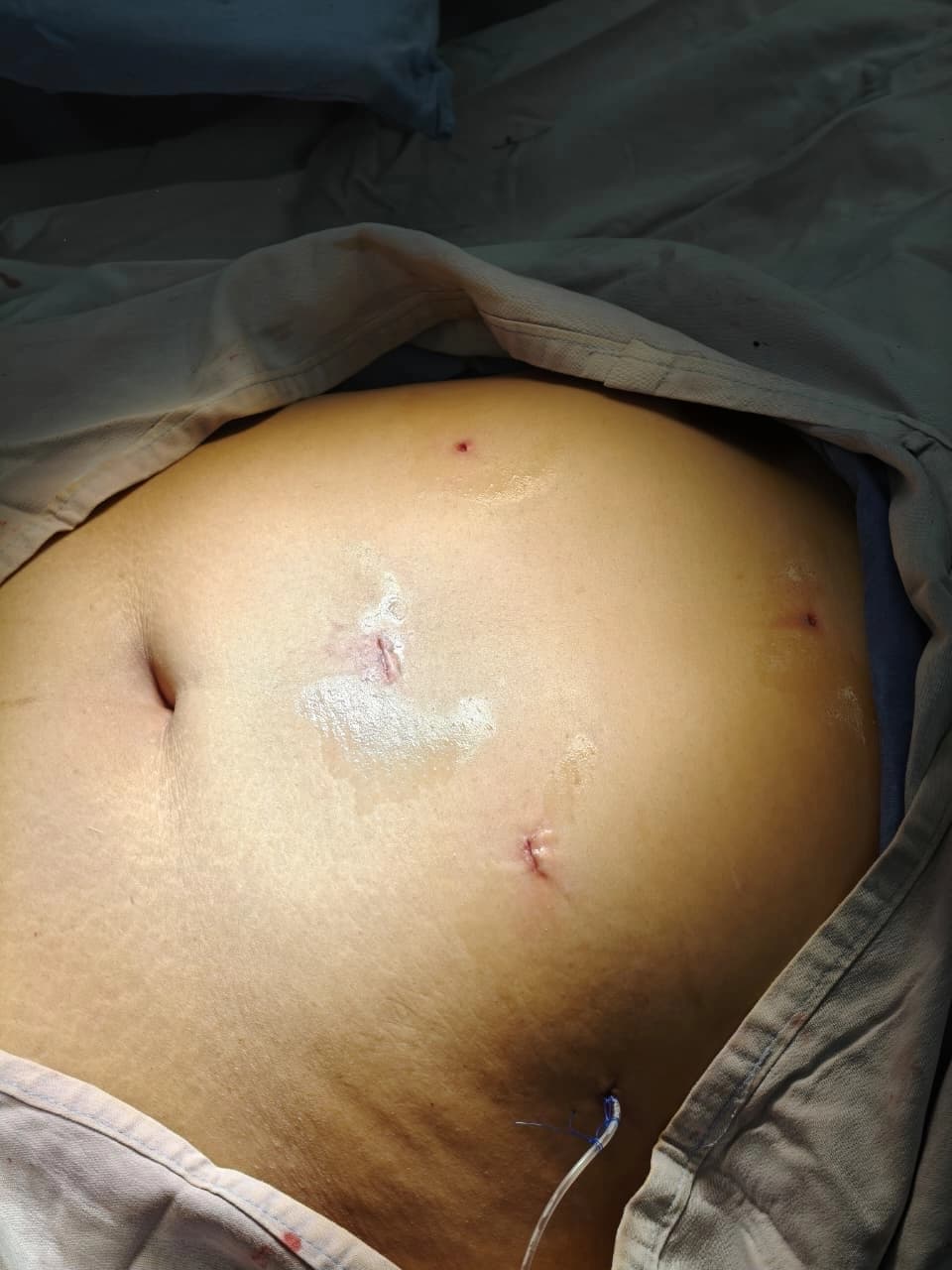
Laparoscopic or minimally invasive surgery represents one of the most significant advances in modern surgery. Unlike traditional open surgery that requires large incisions (10-20 cm), laparoscopy allows the same procedures to be performed through 3 to 4 small incisions (3-12 mm) through which a high-definition camera and specialized surgical instruments are inserted. This translates into less tissue trauma, reduced postoperative pain, lower risk of wound infection and incisional hernias, better cosmetic results, and a significantly faster recovery.
Dr. Mario Ruvalcaba has extensive experience in general laparoscopic surgery and abdominal wall surgery. Among the procedures he most frequently performs are: laparoscopic cholecystectomy (gallbladder removal for gallstones or polyps), laparoscopic repair of inguinal, umbilical, incisional, and abdominal wall hernias with or without mesh placement, laparoscopic appendectomy (appendix removal in acute appendicitis), and laparoscopic Nissen fundoplication for the definitive treatment of severe gastroesophageal reflux disease that does not respond to medical therapy. Each procedure is planned on an individual basis, prioritizing patient safety and excellence in outcomes.
Some of these procedures can also be performed using Single-Port Surgery, an advanced laparoscopic technique that uses a single incision — usually in the navel — to achieve a superior cosmetic result with virtually invisible scars.
Benefits
Less postoperative pain
The 3 to 12 mm incisions cause significantly less tissue trauma than open surgery, reducing the need for strong analgesics and pain during recovery.
Minimal scarring
The small laparoscopic incisions leave nearly imperceptible scars that fade over time, offering a far superior cosmetic result compared to open surgery.
Accelerated recovery
Patients typically return to daily activities within 3 to 7 days, compared to 2 to 6 weeks required by conventional open surgery for the same procedures.
Lower risk of complications
Laparoscopic technique reduces the incidence of surgical wound infections, incisional hernias, adhesions, and pulmonary complications associated with prolonged bed rest.
Who Is a Candidate?
- ✓Patients with symptomatic gallstones (cholelithiasis), gallbladder polyps, or chronic cholecystitis requiring gallbladder removal.
- ✓Individuals with inguinal, umbilical, epigastric, or incisional hernias causing pain, discomfort, or risk of incarceration or strangulation.
- ✓Patients with acute appendicitis requiring urgent or scheduled surgical removal of the cecal appendix.
- ✓Individuals with severe gastroesophageal reflux disease (GERD) that does not respond adequately to proton pump inhibitor medications and requires surgical correction.
- ✓Adults and adolescents with abdominal conditions amenable to laparoscopic approach, in whom preoperative evaluation confirms they are safe candidates for general anesthesia.
Recovery Process
First week
Depending on the procedure performed, the patient may go home the same day or the next day. Relative rest with short walks from day one. Diet may resume hours after surgery, liquid or soft depending on the type of surgery. Pain managed with oral analgesics. Care of small incisions by keeping them clean and dry.
2-4 weeks
Most patients return to work and daily activities between 5 and 14 days depending on the complexity of the procedure. Regular diet without significant restrictions. Avoid lifting heavy objects (over 5 kg / 11 lbs) and intense exercise.
1-3 months
Nearly complete recovery. Gradual return to intense physical activity and weight training. In the case of hernia repair with mesh, the prosthetic material integrates and consolidates. Follow-up medical appointment to verify proper healing.
6-12 months
Full recovery without restrictions. Scars progressively fade to become nearly invisible. In the case of fundoplication, reflux symptoms should have completely resolved. Routine annual follow-up depending on the procedure performed.
Frequently Asked Questions about Minimally Invasive
When is gallbladder surgery necessary?
Cholecystectomy (gallbladder removal) is indicated when gallstones cause symptoms such as pain in the upper right abdomen (biliary colic), nausea, vomiting, intolerance to fatty foods, or when complications arise such as acute cholecystitis (inflammation), choledocholithiasis (stones in the bile duct), or biliary pancreatitis. It is also recommended for gallbladder polyps larger than 10 mm due to malignancy risk. Gallstones do not dissolve with medications or alternative treatments; laparoscopic surgery is the definitive and safe treatment.
Does laparoscopic surgery leave scars?
Yes, but they are minimal. Laparoscopic surgery is performed through 3 to 4 incisions between 3 and 12 mm, producing very small scars compared to the 10 to 20 cm incisions of open surgery. Over time, these marks become virtually invisible. Dr. Ruvalcaba uses cosmetic closure techniques and, when possible, places incisions in less visible areas (such as the navel) to optimize the cosmetic result.
How long after surgery can I return to work?
The time varies depending on the procedure and type of work. For office jobs or sedentary activities, most patients can return within 5 to 7 days after a cholecystectomy or appendectomy. For hernia repair, 7 to 14 days may be required depending on the size and location of the hernia. For jobs involving moderate to intense physical effort, it is recommended to wait 3 to 4 weeks. Dr. Ruvalcaba provides personalized medical leave according to each patient's needs.
What types of hernias can be repaired laparoscopically?
Virtually all abdominal wall hernias can be repaired laparoscopically: inguinal hernias (direct and indirect), umbilical hernias, epigastric hernias, incisional hernias (appearing at previous surgical scars), and Spigelian hernias, among others. Laparoscopic repair usually includes placement of a prosthetic mesh that reinforces the abdominal wall and significantly reduces the recurrence rate (from 10-15% without mesh to less than 2% with mesh). This technique is especially advantageous for bilateral or recurrent hernias.
This content is for informational purposes only and does not replace a medical consultation.
Procedures We Perform
Laparoscopic Cholecystectomy
Gallbladder removal via laparoscopy to treat gallstones, gallbladder polyps, and cholecystitis. Outpatient procedure with recovery in 5 to 7 days and minimal postoperative pain.
View procedure⚡Laparoscopic Appendectomy
Laparoscopic removal of the cecal appendix in cases of acute appendicitis. Allows for faster recovery, lower wound infection risk, and return to normal activity within days.
View procedure🔧Fundoplication
Laparoscopic anti-reflux surgery (Nissen fundoplication) for the definitive treatment of severe gastroesophageal reflux disease. Wraps the gastric fundus around the lower esophagus to permanently restore the anti-reflux barrier.
View procedure🫁Achalasia Surgery
Laparoscopic Heller myotomy for esophageal motility disorder.
View procedure🩹Ventral Hernia Surgery
Laparoscopic repair of anterior abdominal wall hernias with mesh.
View procedure🩹Inguinal Hernia Surgery
Laparoscopic inguinal hernioplasty using TEP or TAPP technique.
View procedure🔘Single-Port Surgery
Advanced laparoscopic technique that performs the procedure through a single incision, usually in the navel, for a superior cosmetic result.
View procedure