What is Gastric Sleeve?
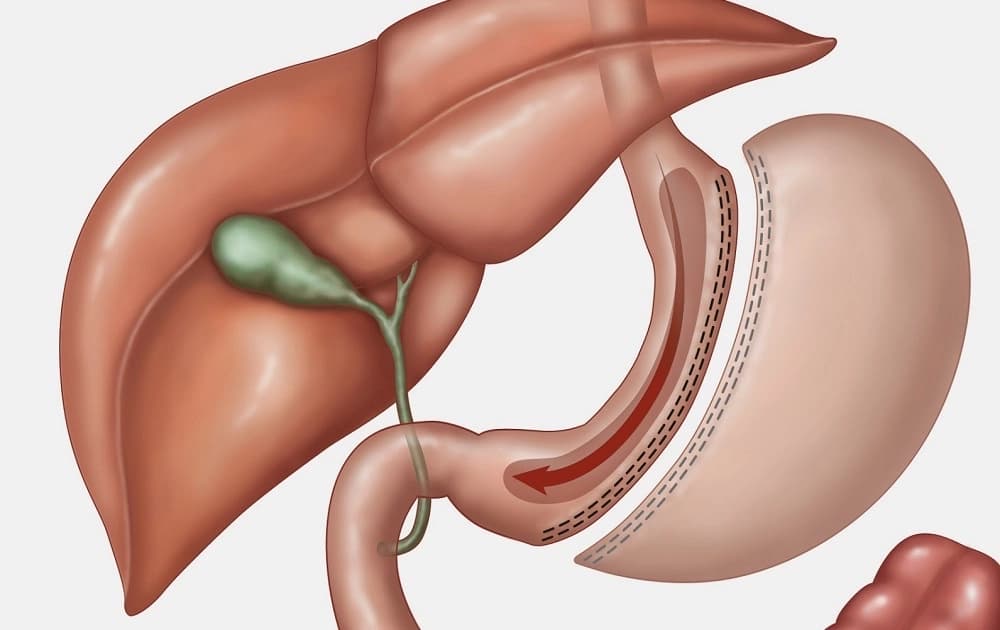
Vertical sleeve gastrectomy is a surgical procedure that removes approximately 80% of the stomach, reshaping it into a thin, sleeve-shaped tube. By drastically reducing gastric capacity, patients experience early satiety with small portions of food. Additionally, by removing the gastric fundus — the primary producer of ghrelin — the sensation of hunger is significantly reduced, making it easier to adhere to a healthy long-term eating plan.
Dr. Mario Ruvalcaba performs this procedure laparoscopically, using 4 to 5 small incisions that minimize postoperative pain, infection risk, and recovery time. Patients typically lose between 60% and 70% of their excess weight during the first 12 to 18 months. The surgery not only promotes sustained weight loss but also contributes to the improvement or resolution of obesity-related conditions such as type 2 diabetes mellitus, high blood pressure, obstructive sleep apnea, dyslipidemia, and gastroesophageal reflux disease. Each patient receives a personalized multidisciplinary plan that includes nutritional, psychological, and medical follow-up to ensure optimal and lasting results.
Benefits
Significant weight loss
Lose between 60% and 70% of your excess weight in the first 12 to 18 months, with sustained long-term results thanks to hormonal appetite reduction.
Improvement of comorbidities
Resolution or improvement of type 2 diabetes, hypertension, sleep apnea, dyslipidemia, and joint diseases associated with excess weight.
Minimally invasive procedure
Laparoscopic surgery with 3 to 12 mm incisions that reduce pain, complications, and leave virtually imperceptible scars.
Fast recovery
Most patients return to daily activities within 1 to 2 weeks and to full physical activity within 4 to 6 weeks.
Who Is a Candidate?
- ✓Individuals with a Body Mass Index (BMI) of 35 or higher with associated comorbidities, or a BMI of 40 or higher without comorbidities.
- ✓Patients who have tried conventional weight loss methods (diet, exercise, medications) without achieving sustained results for at least 6 months.
- ✓Individuals diagnosed with obesity-related conditions such as type 2 diabetes, high blood pressure, sleep apnea, or degenerative joint disease.
- ✓Adults between 18 and 65 years of age willing to commit to permanent lifestyle changes, dietary adjustments, and postoperative medical follow-up.
- ✓Patients without serious surgical contraindications or uncontrolled active eating disorders, and who have received a favorable psychological evaluation.
Recovery Process
First week
Clear liquid diet only (water, fat-free broth, sugar-free gelatin, oral rehydration solution). Relative rest at home with short walks to prevent thrombosis. Mild discomfort managed with oral analgesics. Surgical wound check at 7 days.
2-4 weeks
Gradual transition to full liquids and pureed foods (protein shakes, soft purees, sugar-free yogurt). Beginning of vitamin and protein supplementation. Sedentary work activities may resume. In-person or virtual nutritional follow-up.
1-3 months
Progressive introduction of soft and solid foods in controlled portions. Start of moderate cardiovascular exercise (walking, stationary bike, swimming). Patients typically have lost 30% to 40% of their excess weight by this point.
6-12 months
Varied diet emphasizing proteins, vegetables, and proper hydration. Regular physical activity without restrictions. Loss of 60% to 70% of excess weight. Quarterly follow-up with lab work to monitor nutritional and metabolic levels.
Frequently Asked Questions about Gastric Sleeve
Is gastric sleeve surgery reversible?
No, gastric sleeve surgery is an irreversible procedure because approximately 80% of the stomach is permanently removed. However, in specific cases it can be converted to a gastric bypass or biliopancreatic diversion if the patient requires it. It is essential that the patient understands the permanent nature of the procedure before surgery and is committed to the necessary lifestyle changes.
How much weight can I expect to lose with gastric sleeve surgery?
On average, patients lose between 60% and 70% of their excess weight during the first 12 to 18 months after surgery. For example, if a patient has 40 kg (88 lbs) of excess weight, they can expect to lose between 24 and 28 kg (53 to 62 lbs). Results vary depending on adherence to the nutritional plan, physical activity, and medical follow-up. Dr. Ruvalcaba and his multidisciplinary team design a personalized plan to maximize each patient's results.
What are the risks of gastric sleeve surgery?
As with any surgery, gastric sleeve carries risks, although the complication rate is low (between 1% and 3%). The most common risks include staple line bleeding, gastric leak or fistula, stenosis (narrowing), gastroesophageal reflux, and long-term nutritional deficiencies. Dr. Ruvalcaba uses advanced staple line sealing and reinforcement techniques to minimize these complications, and each patient receives a rigorous follow-up protocol.
Can I drink alcohol or carbonated beverages after gastric sleeve surgery?
Carbonated beverages should be permanently avoided, as the gas can cause gastric distension, discomfort, and dilation of the remaining stomach over time. As for alcohol, it should be avoided for at least the first 6 months and subsequently consumed with extreme moderation. After surgery, the body absorbs alcohol more quickly and intensely, increasing the risk of intoxication and developing dependence.
This content is for informational purposes only and does not replace a medical consultation.