What is Bariatric Surgery?
Bariatric and metabolic surgery in Merida is the most effective and lasting intervention for the treatment of severe obesity and its complications. Unlike diets and medications, bariatric procedures produce permanent anatomical and hormonal changes that modify appetite regulation, satiety, and glucose metabolism. According to the WHO, over 650 million adults worldwide live with obesity; in Mexico, adult prevalence exceeds 36%. Long-term studies report excess weight loss of more than 60% maintained at 10 years, with type 2 diabetes remission rates between 60% and 90% depending on the procedure.
Dr. Mario Ruvalcaba, bariatric surgery specialist in Merida, offers a complete portfolio of laparoscopic procedures: gastric sleeve, Roux-en-Y gastric bypass, intragastric balloon, intestinal transit bipartition, SADI-S, and revision and conversion surgeries. All procedures are performed using minimally invasive laparoscopic technique with internationally recognized safety protocols endorsed by the IFSO.
Dr. Ruvalcaba is certified by the Mexican Council of General Surgery, is an active IFSO member, and has more than 5 years of experience dedicated to bariatric and metabolic surgery in Merida, Yucatan. He operates at the most prestigious hospitals in the city, equipped with advanced laparoscopic operating rooms and intensive care units. His multidisciplinary team — nutritionist, psychologist, internist, and surgeon — ensures comprehensive evaluation and personalized long-term follow-up for each patient.
The results are transformative: 60% to 95% excess weight loss depending on the procedure, with improvement or remission of type 2 diabetes, hypertension, sleep apnea, and metabolic syndrome in the majority of patients. Laparoscopic technique enables fast postoperative recovery with return to activities in 1 to 2 weeks. If you are struggling with obesity and its complications, bariatric and metabolic surgery can change your life. Schedule your consultation today.
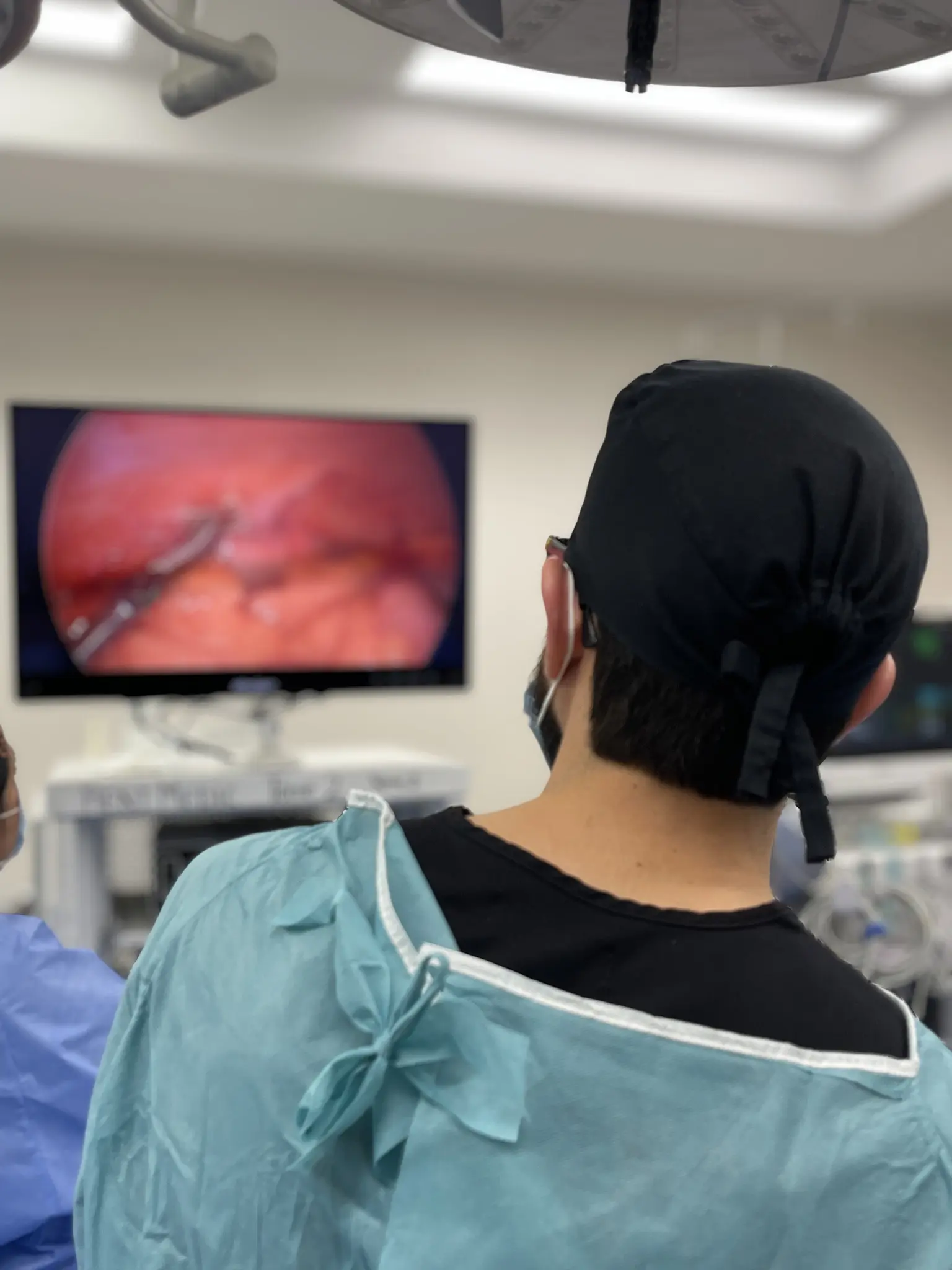
Benefits
Sustained Weight Loss
Bariatric procedures achieve excess weight loss of more than 60% maintained long-term, surpassing any medical or dietary treatment.
Remission of Metabolic Diseases
Type 2 diabetes remission rates between 60% and 90%, with significant improvement in hypertension, dyslipidemia, and sleep apnea.
Laparoscopic Techniques
All procedures are performed minimally invasively, with fast recovery, less postoperative pain, and virtually imperceptible scars.
Multidisciplinary Care
Complete protocol with nutritionist, psychologist, internist, and bariatric surgeon to ensure safety and the best long-term results.
Who Is a Candidate?
- ✓Individuals with BMI ≥ 40, or BMI ≥ 35 with comorbidities such as type 2 diabetes, hypertension, sleep apnea, or joint disease.
- ✓Patients who have tried conventional weight loss methods without sustained results for at least 6 months.
- ✓Adults between 18 and 65 years of age willing to commit to permanent lifestyle changes and postoperative medical follow-up.
- ✓Individuals with poorly controlled type 2 diabetes and BMI between 30 and 34.9 who may benefit from metabolic surgery.
- ✓Patients without serious surgical contraindications and with a favorable multidisciplinary evaluation.
Recovery Process
First week
Hospital stay of 1 to 3 nights depending on the procedure. Strict liquid diet. Early mobilization from the first day to prevent complications.
2–4 weeks
Gradual transition to full liquids and protein purees. Start of vitamin supplementation. Return to sedentary activities.
1–3 months
Progressive introduction of soft and solid foods. Start of moderate physical activity. Nutritional follow-up and adjustment of metabolic medications.
6–12 months
Loss of 60% or more of excess weight depending on the procedure. Quarterly follow-up with lab work to monitor nutritional and metabolic levels.
Frequently Asked Questions about Bariatric Surgery
How do I know which bariatric procedure is best for me?
Procedure selection depends on BMI, associated diseases, medical and surgical history, and each patient's goals. Dr. Ruvalcaba performs a complete multidisciplinary evaluation to recommend the most appropriate option. In general terms: gastric sleeve is the first choice for most patients; gastric bypass is preferred when there is severe reflux or long-standing diabetes; bipartition and SADI-S are reserved for severe obesity or when greater metabolic potency is required.
How much weight can I lose with bariatric surgery?
Results vary by procedure: gastric sleeve achieves 60–70% excess weight loss; gastric bypass, 70–80%; intestinal transit bipartition and SADI-S exceed 80–95%. Nutritional follow-up and commitment to lifestyle changes are key to maintaining long-term results.
Is bariatric surgery safe?
In the hands of a certified bariatric surgeon with the appropriate hospital infrastructure, laparoscopic bariatric surgery has complication rates below 3%, comparable to those of a cholecystectomy. Rigorous preoperative evaluation and the multidisciplinary protocol minimize risks and optimize procedural safety.
Do I need to take supplements for life?
Yes. All bariatric procedures require lifelong vitamin supplementation, although doses and types vary by procedure. Gastric sleeve requires basic supplements (multivitamin, calcium, vitamin D, B12, and protein). Bypass and malabsorptive procedures like SADI-S require more intensive supplementation. Periodic nutritional follow-up ensures levels remain within optimal ranges.
How much does bariatric surgery cost in Merida?
The cost varies depending on the specific procedure, hospital, and required preoperative studies. Dr. Ruvalcaba offers an initial evaluation to determine the most appropriate procedure and provide a personalized quote. Some medical insurance plans cover part or all of the cost when documented medical indications are present. Contact the office for detailed information on costs and financing options.
How long does bariatric surgery take?
Duration varies by procedure: gastric sleeve takes 1 to 1.5 hours; gastric bypass takes 2 to 3 hours; intestinal transit bipartition and SADI-S take 2.5 to 3.5 hours. Revision and conversion surgeries may require 2 to 4 hours depending on complexity. All procedures are performed under general anesthesia in a hospital operating room.
When can I return to work after bariatric surgery?
For sedentary or office work, most patients return between days 10 and 14 postoperatively. For moderate or intense physical work, it is recommended to wait 4 to 6 weeks. Dr. Ruvalcaba provides a personalized medical leave certificate based on the procedure performed and each patient's type of work.
This content is for informational purposes only and does not replace a medical consultation.
Procedures We Perform
Gastric Sleeve
80% stomach reduction to limit food intake and decrease the hunger hormone.
View procedure⚕️Gastric Bypass
Combined restrictive-malabsorptive procedure, the gold standard for severe obesity and type 2 diabetes.
View procedure🎈Intragastric Balloon
Non-surgical endoscopic device for weight loss in overweight and mild to moderate obesity.
View procedure🔄Intestinal Transit Bipartition
Technique combining gastric sleeve with partial intestinal bypass to optimize metabolic outcomes.
View procedure⚡SADI-S
Single-anastomosis duodeno-ileal bypass with sleeve gastrectomy for severe obesity and diabetes.
View procedure🔧Revision Surgery
Correction of prior bariatric procedures with insufficient results or complications.
View procedure🔀Conversion Surgery
Conversion from one type of bariatric surgery to another to improve outcomes.
View procedure