What is Bariatric Revision?
Bariatric revision surgery in Merida is indicated for patients who, following prior weight loss surgery, present with significant weight regain, insufficient weight loss, anatomical complications such as stenosis, fistulas, or pouch dilation, or unresolved metabolic complications. It is estimated that 20% to 30% of bariatric patients experience some degree of weight regain within 5 years, making revision surgery a growing necessity. Dr. Ruvalcaba attends cases from across southeastern Mexico requiring complex and specialized bariatric solutions, positioning Merida as the regional reference center for bariatric revision surgery in Yucatan.
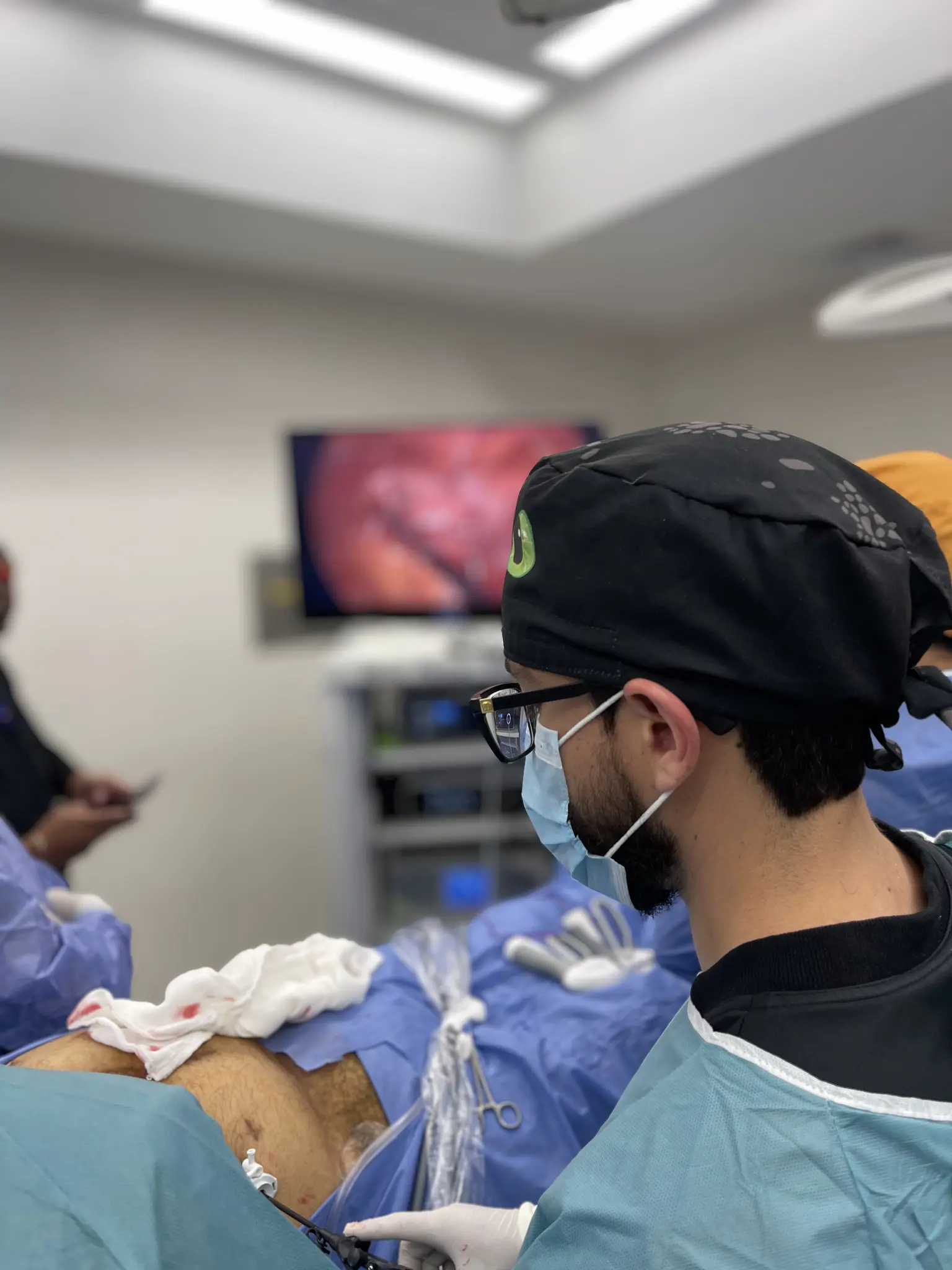
Dr. Mario Ruvalcaba performs bariatric revision surgery in Merida laparoscopically in the majority of cases, leveraging his experience in complex bariatric surgery to navigate previously modified anatomy. The most frequent revisions include: conversion of gastric sleeve to Roux-en-Y gastric bypass or SADI-S for weight regain or severe gastroesophageal reflux, revision of gastric bypass for pouch or anastomosis dilation, correction of stenoses or residual fistulas, and conversion of adjustable gastric band to a definitive procedure. Each case requires individualized planning with endoscopy, upper GI series, and complete metabolic studies. Surgery duration varies between 2 and 4 hours under general anesthesia.
Certified bariatric surgeon in Merida, Yucatan, Dr. Ruvalcaba holds certification from the Mexican Council of General Surgery, IFSO membership, and more than 5 years of experience in revision bariatric procedures. He operates at first-level hospitals in Merida with infrastructure appropriate for high-complexity surgery. His multidisciplinary team performs comprehensive preoperative evaluation and close postoperative follow-up that these interventions require.
Revision surgery results are generally very satisfying when the indication is correct and planning is adequate: resumption of weight loss, reflux resolution, and improvement in metabolic control. Recovery is similar to primary bariatric surgery, with return to work for sedentary activities in 10 to 14 days. If your prior bariatric surgery did not achieve the expected results, a solution exists. Schedule your consultation today.
Benefits
Personalized Solution
Each revision is designed according to prior surgical anatomy and the patient's specific needs — there is no single approach.
Recovery of Results
Allows resuming weight loss in patients with regain or insufficient loss, adapting the procedure to the individual clinical history.
Complication Correction
Resolves late complications of prior surgeries such as severe reflux, stenosis, chronic fistulas, or gastric pouch dilation.
Minimally Invasive Approach
Most revisions can be performed laparoscopically, even in patients with prior surgeries, thanks to experience in revision surgery.
Who Is a Candidate?
- ✓Patients with significant weight regain (more than 50% of weight lost) after gastric sleeve, gastric bypass, or other prior bariatric procedure.
- ✓Individuals with insufficient weight loss (less than 50% of excess weight at 18 months) despite following dietary and physical activity recommendations.
- ✓Patients with severe gastroesophageal reflux or esophagitis after gastric sleeve who do not respond to medical treatment and require conversion to gastric bypass.
- ✓Individuals with anatomical complications such as sleeve or anastomosis stenosis, chronic fistulas, gastric pouch dilation, or adjustable band migration.
- ✓Patients with complete preoperative evaluation (endoscopy, transit study, lab work) confirming the indication and viability of surgical revision.
Recovery Process
First week
Similar to primary bariatric surgery, although it may require greater surveillance depending on the complexity of the revision performed. Strict liquid diet. Hospital stay of 2 to 3 nights.
2–4 weeks
Dietary progression according to the new procedure performed. Mandatory nutritional evaluation to adjust supplementation according to the new anatomy.
1–3 months
Adaptation to the new procedure. Revised patients typically notice improvement in prior symptoms within the first weeks. Dietary tolerance and metabolic parameters are monitored.
6–12 months
Evaluation of results through lab work and, when indicated, control endoscopy. Weight loss resumes or the original complication is corrected. Long-term follow-up is essential to consolidate results.
Frequently Asked Questions about Bariatric Revision
Why does bariatric surgery fail?
The most frequent causes of bariatric failure are: progressive dilation of the gastric sleeve or bypass pouch, changes in eating habits with return to high-calorie patterns, unresolved underlying hormonal or metabolic alterations, and in some cases, technical factors from the original surgery.
Is revision surgery riskier than primary surgery?
Generally yes, although the risk depends on the type of revision and the surgeon's experience. Previously operated tissues have greater fibrosis and adhesions, which increases technical difficulty. However, in the hands of an experienced bariatric surgeon with adequate preoperative planning, complication rates are acceptable.
How long should I wait between my original surgery and a revision?
In general, it is recommended to wait at least 12 to 18 months from the primary surgery to allow weight stabilization and complete tissue healing, except in cases of complications requiring urgent intervention.
What studies do I need to be evaluated for revision surgery?
The evaluation includes upper digestive endoscopy, imaging studies (upper GI series with contrast), complete lab panel with vitamins and nutrients, nutritional and psychological assessment, and in some cases pH-metry or esophageal manometry.
How much does bariatric revision surgery cost in Merida?
The cost varies based on the type of revision, hospital, and complexity of each case. As a specialized procedure, Dr. Ruvalcaba conducts an initial evaluation to determine the surgical indication and provide a personalized quote. Some medical insurance plans cover revisions with documented medical indication. Contact the office for information on costs and insurance verification.
How long does bariatric revision surgery take?
Duration varies from 2 to 4 hours depending on the type of revision and the complexity of prior anatomy. Simple conversions such as sleeve to bypass typically take 2 to 3 hours. Revisions for complex fistulas or stenoses may require more time. All procedures are performed under general anesthesia with 2 to 3 nights of hospital stay.
When can I return to work after bariatric revision surgery?
Similar to primary bariatric surgery, patients with sedentary activities typically return between days 10 and 14 postoperatively. For physical work, waiting 4 to 6 weeks is recommended. Dr. Ruvalcaba provides the necessary medical leave certificate based on each case's recovery progress.
This content is for informational purposes only and does not replace a medical consultation.