What is Inguinal Hernias?
Laparoscopic inguinal hernioplasty in Merida is the treatment of choice for inguinal hernia, the most frequent of all types of abdominal hernia. Inguinal hernia affects approximately 27% of men and 3% of women throughout their lifetime. It presents as a bulge in the groin with pain or discomfort when coughing, straining, or standing for prolonged periods. Without treatment, the hernia grows progressively and can complicate with bowel incarceration or strangulation, requiring emergency surgery with higher risk. The inguinal hernia surgeon in Merida offers the most advanced laparoscopic technique with superior results compared to conventional open surgery.
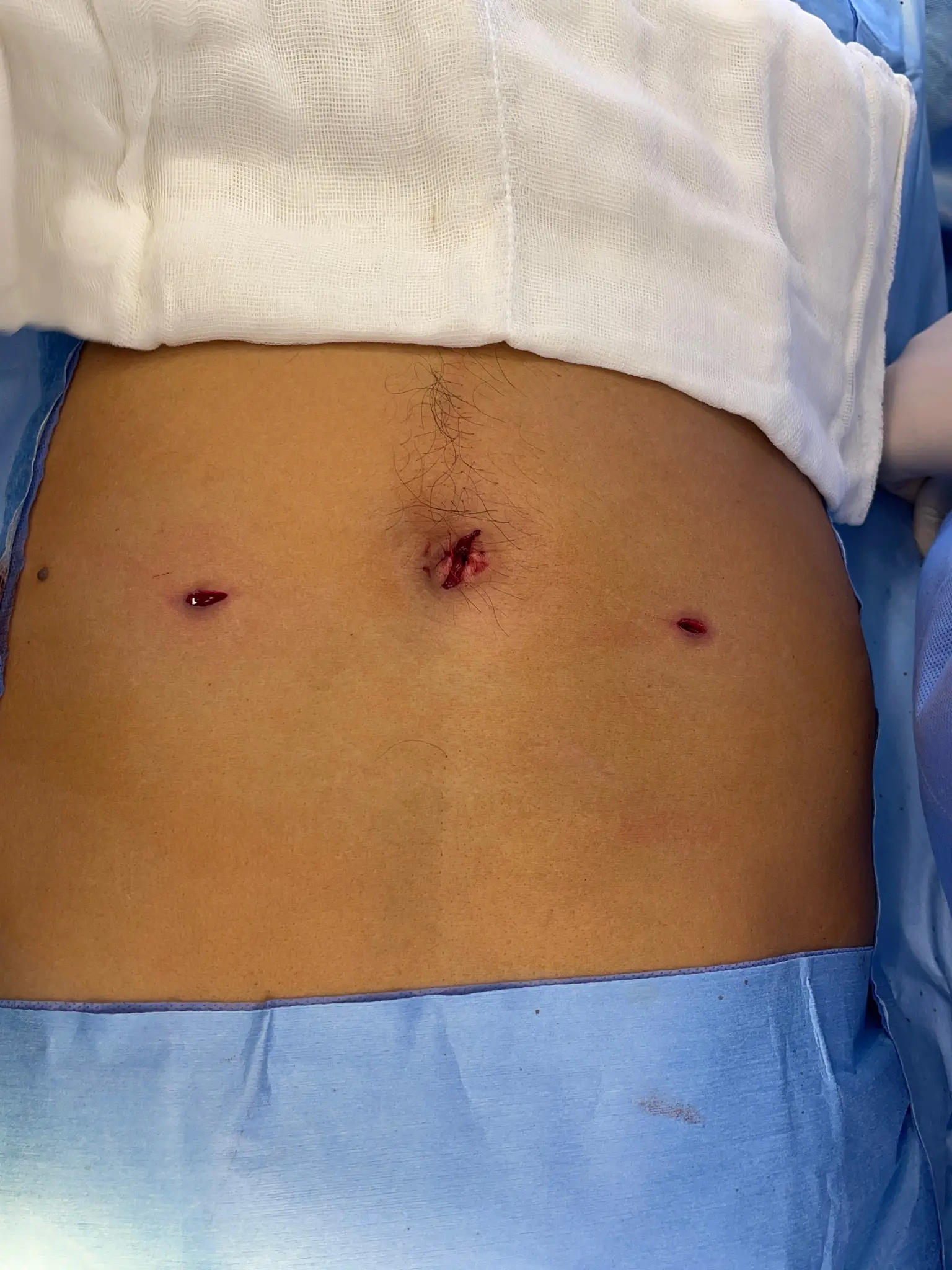
Dr. Mario Ruvalcaba performs laparoscopic inguinal hernioplasty in Merida using TEP (Totally Extraperitoneal) or TAPP (Transabdominal Preperitoneal) technique, selecting the most appropriate based on each patient's anatomy and history. Both techniques place a prosthetic mesh in the preperitoneal space covering the hernia defect from the inside. Surgery lasts 1 to 1.5 hours under general anesthesia and is outpatient in most cases: the patient goes home the same day. The laparoscopic technique is especially advantageous for bilateral hernias, allowing repair of both groins through the same 3 incisions without the need for two separate surgeries.
Inguinal hernia specialist in Yucatan, Dr. Ruvalcaba holds certification from the Mexican Council of General Surgery and more than 5 years of experience in laparoscopic hernioplasty with TEP and TAPP techniques. He operates at first-level hospitals in Merida with state-of-the-art preperitoneal space prosthetic meshes. Recurrent hernias after prior open surgery are especially favored by the laparoscopic approach, which accesses previously undissected planes.
The results are excellent: return to sedentary activities in 5 to 7 days, recurrence rates below 2%, and virtually no chronic pain at the operated site. Compared to open Lichtenstein repair, laparoscopic technique offers less postoperative pain, especially in the first 2 weeks. Do not leave your hernia untreated. Schedule your consultation today.
Benefits
Outpatient
Short-stay procedure: the patient returns home the same day of surgery in most cases.
Fast Recovery
Return to sedentary activities in 5 to 7 days, significantly faster than conventional open surgery.
Ideal for Bilateral Hernias
Allows repairing both inguinal hernias through the same 3 incisions, with no need for two separate surgeries.
Low Recurrence Rate
Mesh in preperitoneal position reduces the recurrence rate to less than 2%, with excellent long-term results.
Who Is a Candidate?
- ✓Patients with symptomatic direct or indirect inguinal hernia (pain, discomfort, groin bulge) confirmed by physical examination and/or ultrasound.
- ✓Individuals with bilateral inguinal hernia (both groins) in whom the laparoscopic approach allows repairing both defects in a single surgical session.
- ✓Patients with recurrent inguinal hernia after prior open surgery, in whom the laparoscopic approach accesses previously undissected planes.
- ✓Individuals with inguinal hernia associated with femoral hernia or contralateral hernia that can be treated simultaneously by laparoscopy.
- ✓Active adults or those with physical jobs who require the fastest possible recovery to return to their activities.
Recovery Process
Day of procedure
Discharge the same day in most patients. Start of liquids and soft diet a few hours after surgery. Mild to moderate pain manageable with oral analgesics. Short walks can begin the same day.
First week
Return to light daily activities in 2 to 3 days. Pain management with ibuprofen or acetaminophen. Avoid lifting heavy objects (more than 5 kg) and straining that increases abdominal pressure.
2–4 weeks
Return to sedentary or office work in 5 to 7 days. For moderate load work, between days 14 and 21. Discomfort in the inguinal region gradually disappears.
1–3 months
Full recovery. Complete mesh integration into tissues. Unrestricted physical activity, including heavy physical work and contact or impact sports, starting from 4 to 6 weeks as medically indicated.
Frequently Asked Questions about Inguinal Hernias
What is the difference between TEP and TAPP?
Both are laparoscopic techniques that place the mesh in the preperitoneal space. In TEP, work is done in the preperitoneal space without entering the abdominal cavity. TAPP first enters the abdominal cavity and then accesses the preperitoneal space, allowing simultaneous abdominal exploration. Dr. Ruvalcaba selects the most appropriate technique based on each patient's anatomy and history.
Can both hernias be operated at the same time?
Yes, and this is one of the great advantages of laparoscopic surgery over open surgery. In bilateral inguinal hernias, the laparoscopic approach allows repairing both defects through the same 3 incisions, with no need for two separate surgeries, with the same recovery time as a single hernia.
What activities should I avoid after surgery?
During the first 2 weeks: avoid lifting objects over 5 kg, intense exercise, and activities that increase abdominal pressure. Between weeks 2 and 4, moderate activities can be resumed. From weeks 4 to 6 onward, most patients can resume full physical activity, including sports and physical work.
Can the inguinal hernia recur after surgery?
With laparoscopic technique and prosthetic mesh, the long-term recurrence rate is less than 2%, compared to 10–15% with open repair without mesh. Proper mesh integration into tissues, which occurs in the first 6 to 8 weeks, is fundamental for long-term outcomes.
How much does laparoscopic inguinal hernioplasty cost in Merida?
The cost varies based on whether the hernia is unilateral or bilateral, the type of mesh, and the hospital. Laparoscopic bilateral repair, which resolves both groins in a single procedure, is often more cost-effective than two separate surgeries. Dr. Ruvalcaba provides a detailed quote during the consultation. Most medical insurance plans cover symptomatic inguinal hernioplasty.
How long does laparoscopic inguinal hernioplasty take?
Unilateral laparoscopic inguinal hernioplasty takes 1 to 1.5 hours under general anesthesia. For bilateral hernias, time is only slightly longer (1.5 to 2 hours) as both sides are repaired through the same incisions. It is an outpatient procedure: the patient goes home the same day in most cases.
When can I return to work after inguinal hernioplasty?
For sedentary or office activities, return is in 5 to 7 days. For moderate physical work, between days 14 and 21. For intense physical work, 4 to 6 weeks is recommended. Mesh integration occurs in the first 6 to 8 weeks, during which excessive inguinal strain should be avoided.
This content is for informational purposes only and does not replace a medical consultation.