What is Laparoscopic Cholecystectomy?
Laparoscopic cholecystectomy in Merida is the most frequently performed procedure in general surgery. Cholelithiasis — gallstones — affects 14% of the adult population in Mexico and is more prevalent in women aged 30 to 60. The treatment of choice is surgical removal of the gallbladder, as gallstones do not respond to medications and tend to generate progressive complications such as acute cholecystitis, biliary pancreatitis, and obstructive jaundice if left untreated. Laparoscopic technique has almost entirely replaced open surgery due to its proven advantages in pain reduction, wound infection rate, and recovery time.
Dr. Mario Ruvalcaba performs laparoscopic cholecystectomy in Merida through 3 to 4 small incisions of 5 to 12 mm under general anesthesia. Surgery lasts 45 minutes to 1.5 hours: a high-definition camera and surgical instruments are introduced to identify, clip, and remove the gallbladder with precision, extracting it inside an endoscopic bag. In the vast majority of cases the patient goes home the same day or the following morning, with minimal pain manageable with oral analgesics.
Board-certified general surgeon in Merida, Yucatan, Dr. Ruvalcaba is a member of the Mexican Council of General Surgery and has more than 5 years of experience in laparoscopic cholecystectomy and biliary tract surgery. He operates at top-level hospitals in Merida with state-of-the-art laparoscopic equipment and 24-hour availability for emergency procedures. The laparoscopic cholecystectomy specialist in Yucatan ensures safety, precision, and personalized care in every case.
The results are excellent: complete and permanent resolution of biliary colic, inflammation, and the risk of complications. Patients return to sedentary activities in 5 to 7 days and to full physical activity in 2 to 3 weeks. The absence of the gallbladder does not cause permanent dietary limitations in the vast majority of patients. Do not delay treatment: symptomatic gallstones should be operated on electively before a complication occurs. Schedule your consultation today.
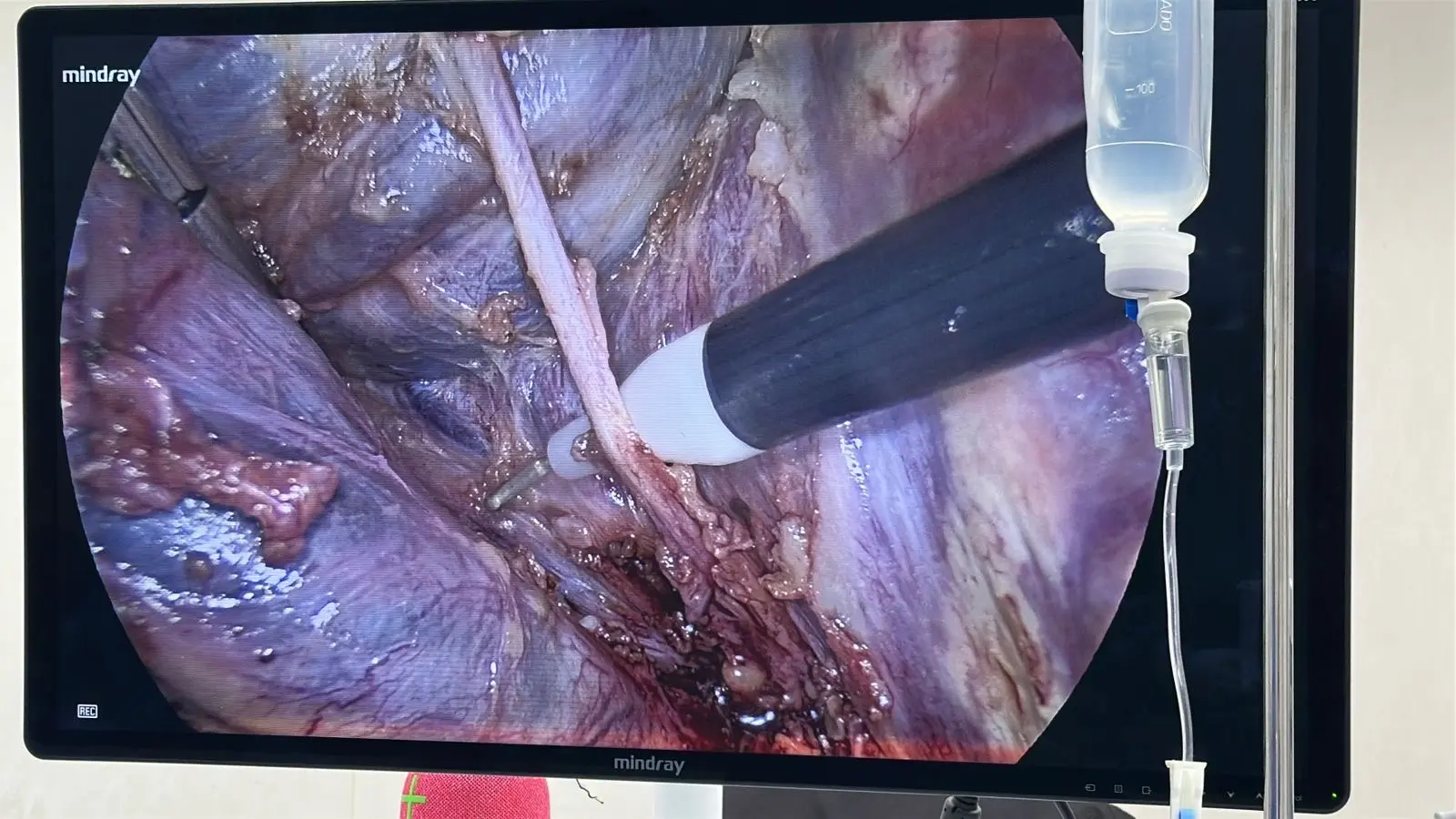
Benefits
Outpatient Procedure
Most patients go home the same day or within 24 hours, with no need for prolonged hospitalization.
Fast Recovery
Return to daily activities in 5 to 7 days and full work activity in 1 to 2 weeks.
Minimal Scars
3 to 4 incisions of 5 to 12 mm that become virtually imperceptible over time.
Definitive Treatment
Eliminates the source of biliary colic, inflammation, and the risk of complications such as pancreatitis or obstructive jaundice.
Who Is a Candidate?
- ✓Patients with gallstones (cholelithiasis) causing symptoms such as biliary colic, nausea, vomiting, or intolerance to fatty foods.
- ✓Individuals with acute cholecystitis (acute gallbladder inflammation) or chronic cholecystitis with recurrent episodes of pain.
- ✓Patients with gallbladder polyps larger than 10 mm due to malignancy risk, or between 6 and 9 mm with additional risk factors.
- ✓Individuals who have experienced acute biliary-origin pancreatitis or resolved choledocholithiasis (stones in the bile duct).
- ✓Patients with porcelain gallbladder (calcification of the gallbladder wall) or with prior abdominal surgeries that do not contraindicate the laparoscopic approach.
Recovery Process
Day of procedure
The patient arrives fasting, surgery is performed under general anesthesia (45 minutes to 1.5 hours), and is observed in recovery for 2 to 4 hours. Most patients start oral liquids a few hours later and go home the same day or the following morning.
First week
Soft and easy-to-digest diet the first days: broths, gelatin, chicken, cooked vegetables. Pain management with oral analgesics. Care of the small wounds. Short walks from the first day to prevent thrombosis.
2–4 weeks
Return to sedentary work activities between days 5 and 10. Diet virtually without restrictions, although it is recommended to moderate fat intake for the first 2 weeks. Avoid lifting heavy objects (more than 5 kg).
1–3 months
Complete recovery without restrictions. Patients with physical jobs can return between weeks 3 and 4. Completely unrestricted diet. The absence of the gallbladder does not generate any permanent dietary limitation in the vast majority of patients.
Frequently Asked Questions about Laparoscopic Cholecystectomy
Can I live without a gallbladder?
Yes, perfectly. The gallbladder stores bile produced by the liver, but is not an indispensable organ. After cholecystectomy, bile flows continuously and directly from the liver to the small intestine. Most patients do not experience any permanent dietary limitation.
Why can't gallstones be dissolved with medications?
Medications to dissolve gallstones only work on very small stones, made of pure cholesterol and with a functioning gallbladder, which represents less than 15% of cases. Treatment is prolonged, costly, and stones recur in 50% of patients upon stopping the medication. Laparoscopic cholecystectomy is fast, safe, and definitive.
When do I need emergency surgery?
Emergency cholecystectomy is indicated in severe acute cholecystitis, severe acute biliary pancreatitis, or choledocholithiasis with bile duct obstruction and jaundice. If you experience intense pain in the upper right abdomen with fever, severe nausea, or yellowing of the skin and eyes, seek emergency care.
Can surgery be performed if I have an active gallbladder infection?
Yes, in fact acute cholecystitis is a frequent indication for cholecystectomy. In these cases, the procedure is ideally performed within the first 72 hours from symptom onset. If the patient arrives with longer evolution or severe complications, percutaneous drainage may be required beforehand to reduce inflammation before definitive surgery.
How much does laparoscopic cholecystectomy cost in Merida?
The cost varies based on the hospital and whether the procedure is elective or emergency. Dr. Ruvalcaba offers an initial consultation to evaluate the case and provide a detailed quote. Most medical insurance plans cover laparoscopic cholecystectomy when indicated. Contact the office for information on costs and to verify your coverage.
How long does laparoscopic cholecystectomy take?
Laparoscopic cholecystectomy takes 45 minutes to 1.5 hours under general anesthesia. In cases of acute cholecystitis with severe inflammation or adhesions, additional time may be needed. The vast majority of patients can go home the same day or the following morning.
When can I return to work after cholecystectomy?
Patients with office or sedentary work typically return within 5 to 7 days after surgery. For moderate physical work, 2 weeks is recommended. For intense physical work, 3 to 4 weeks. Dr. Ruvalcaba provides a medical leave certificate based on each patient's work requirements.
This content is for informational purposes only and does not replace a medical consultation.