What is Laparoscopic Appendectomy?
Laparoscopic appendectomy in Merida is the treatment of choice for acute appendicitis, the most frequent abdominal surgical emergency worldwide. Appendicitis affects approximately 7% of the population throughout their lifetime, with the highest incidence between ages 10 and 30, although it can occur at any age. If untreated, appendix inflammation progresses to perforation, peritonitis, and abdominal sepsis within hours, making emergency appendectomy a life-saving procedure. Laparoscopic technique has proven clear advantages over open surgery: less postoperative pain, a 50% reduction in surgical wound infection rates (especially important in perforated appendicitis), faster recovery, and better cosmetic results.
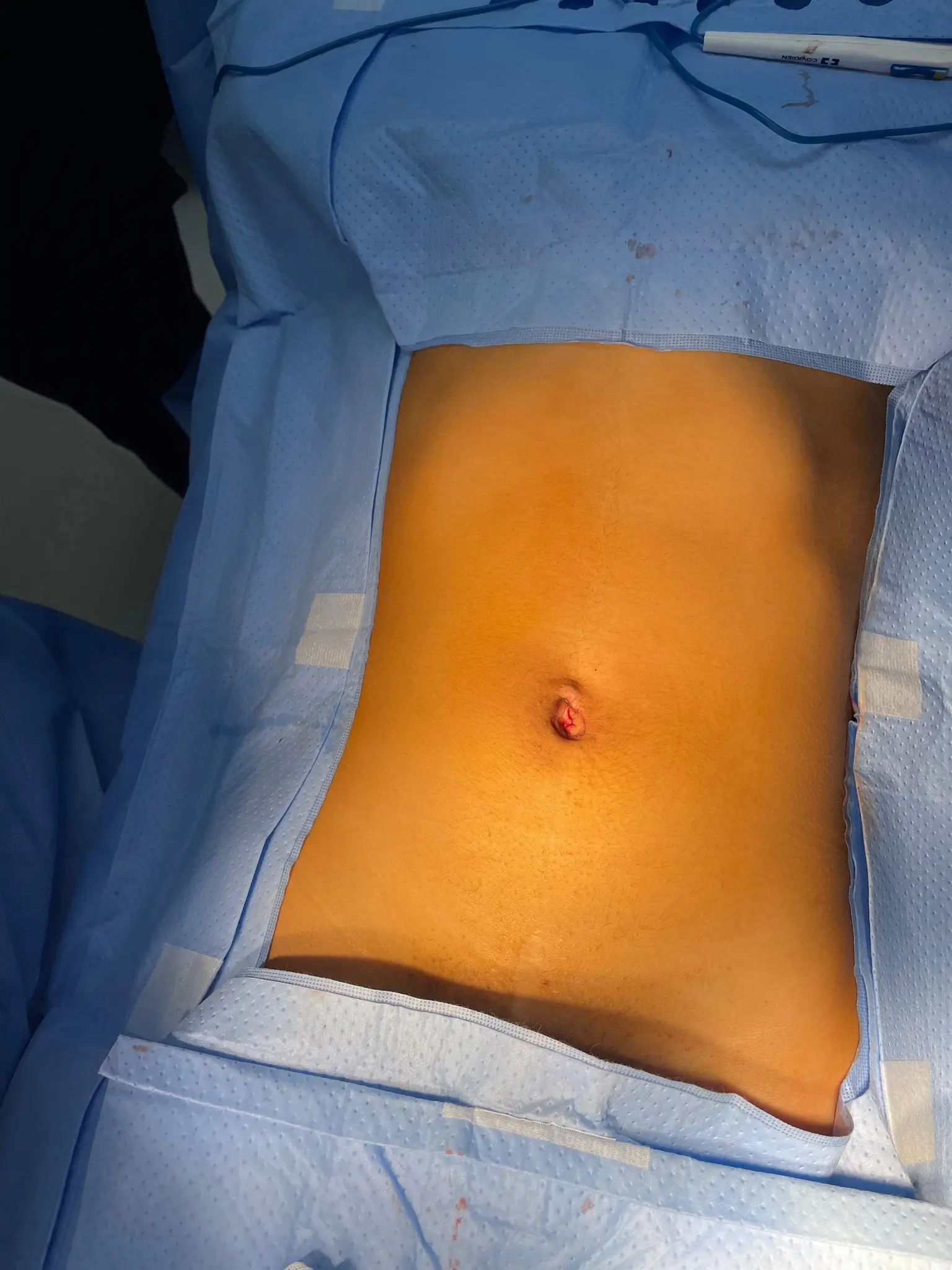
Dr. Mario Ruvalcaba performs laparoscopic appendectomy in Merida through 1 umbilical incision of less than 1 cm that is practically imperceptible within one week of surgery. Under general anesthesia, the procedure takes 30 minutes to 1 hour: the camera and instruments are introduced to identify, ligate, and section the inflamed appendix, extracting it inside an endoscopic bag. In cases of perforated appendicitis or peritonitis, laparoscopy also allows effectively cleaning the abdominal cavity to reduce the risk of abscesses and residual collections.
Board-certified general surgeon in Merida, Yucatan, Dr. Ruvalcaba is available 24 hours a day to handle abdominal surgical emergencies with the speed that appendicitis demands. He holds certification from the Mexican Council of General Surgery, more than 5 years of experience, and surgical privileges at the leading hospitals in Merida, equipped for advanced laparoscopy and complex emergency management. The combination of refined technique and immediate availability ensures the best care at the critical moment.
The results are excellent: hospital discharge in 24 to 48 hours in uncomplicated cases, return to activities in 5 to 7 days, and a virtually invisible scar. Even in complicated appendicitis with perforation, laparoscopy offers better outcomes than open surgery. If you have abdominal pain in the lower right side with fever and nausea, seek urgent medical attention. Schedule your consultation today or go directly to the emergency room.
Benefits
Fast Recovery
Hospital discharge in 24 to 48 hours and return to normal activities in 5 to 7 days, even in cases with perforation.
Lower Wound Infection
The laparoscopic technique significantly reduces the rate of surgical wound infection, especially in complicated appendicitis.
Intraoperative Diagnosis
Allows exploration of the entire abdominal cavity to rule out other pathologies, especially useful in cases of doubtful diagnosis.
Minimal Scars
1 small incision through the umbilical scar resulting in a virtually imperceptible wound compared to the McBurney incision of open surgery.
Who Is a Candidate?
- ✓Patients with a diagnosis of acute appendicitis confirmed clinically or by imaging (ultrasound or computed tomography).
- ✓Individuals with perforated appendicitis or appendiceal plastron requiring exploration and cleaning of the abdominal cavity.
- ✓Patients with a clinical picture suggestive of acute appendicitis in whom laparoscopy allows confirming the diagnosis and performing treatment in the same surgical act.
- ✓Adults and adolescents with uncomplicated acute appendicitis in whom laparoscopic surgery is considered the treatment of choice.
- ✓Patients without contraindications to general anesthesia. In women of childbearing age, laparoscopy is especially preferred to rule out associated gynecological pathology.
Recovery Process
First 24–48 hours
Hospital stay. Start of oral liquids a few hours after surgery. Early mobilization. Pain management with intravenous and then oral analgesics. In uncomplicated cases, discharge is given in 24 hours; in perforated appendicitis, 48 to 72 hours may be required.
First week
Soft diet the first days progressing to unrestricted eating according to tolerance. Pain management with oral analgesics. Care of the small wounds. Relative rest with frequent short walks.
2–4 weeks
Return to daily and sedentary work activities between days 5 and 10. Unrestricted diet. Avoid intense physical activity and weight lifting for 2 to 3 weeks.
1–3 months
Full recovery. In cases of complicated appendicitis with perforation, absence of residual collections is verified with imaging studies if symptoms exist. Full return to sports activities without restrictions.
Frequently Asked Questions about Laparoscopic Appendectomy
How do I know if I have appendicitis?
Classic symptoms include pain that starts at the navel and migrates to the right lower quadrant (lower right abdomen), accompanied by nausea, loss of appetite, mild fever, and pain that intensifies with movement. At the suspicion of appendicitis, emergency medical care should be sought immediately.
Can appendicitis be treated with antibiotics without surgery?
In selected cases of uncomplicated acute appendicitis, antibiotic treatment has shown short-term efficacy in some studies. However, the 5-year recurrence rate is significant (25–30%), and there is a risk that a new episode may involve complicated appendicitis. Laparoscopic surgery remains the treatment of choice as it is definitive, safe, and has fast recovery.
What happens if the appendix perforates before reaching the operating room?
Appendix perforation causes localized or diffuse peritonitis, which complicates management but does not fundamentally change the treatment: emergency surgery to remove the appendix and clean the abdominal cavity. In perforation cases, laparoscopy allows effective abdominal irrigation, although it may require longer hospitalization (2 to 4 days) and intravenous antibiotics for a longer period.
Is complete bed rest necessary after appendectomy?
No, on the contrary: early mobilization (walking from the first postoperative day) is essential to prevent complications such as deep vein thrombosis and accelerate recovery. Relative rest is recommended the first days, avoiding high-impact and high-intensity activities, but short walks and gentle daily activities begin from the first or second day.
How much does laparoscopic appendectomy cost in Merida?
The cost varies based on whether surgery is emergency or scheduled, the hospital, and the complexity of the case. Dr. Ruvalcaba coordinates emergency care directly at the time of the emergency. Most major medical insurance plans cover emergency appendectomy. Contact the office for information on elective case costs.
How long does laparoscopic appendectomy take?
In uncomplicated cases, laparoscopic appendectomy takes 30 to 60 minutes under general anesthesia. In cases of perforated appendicitis with peritonitis, up to 1.5 hours may be required for abdominal cavity cleaning. Hospital discharge is given in 24 hours for simple cases and 48 to 72 hours for complicated cases.
When can I return to work after laparoscopic appendectomy?
For office or sedentary work, most patients return between days 5 and 7 postoperatively. For moderate physical work, 2 to 3 weeks is recommended. In cases of perforated appendicitis with greater complexity, additional rest may be required. Dr. Ruvalcaba issues a medical leave certificate based on each case's recovery.
This content is for informational purposes only and does not replace a medical consultation.